
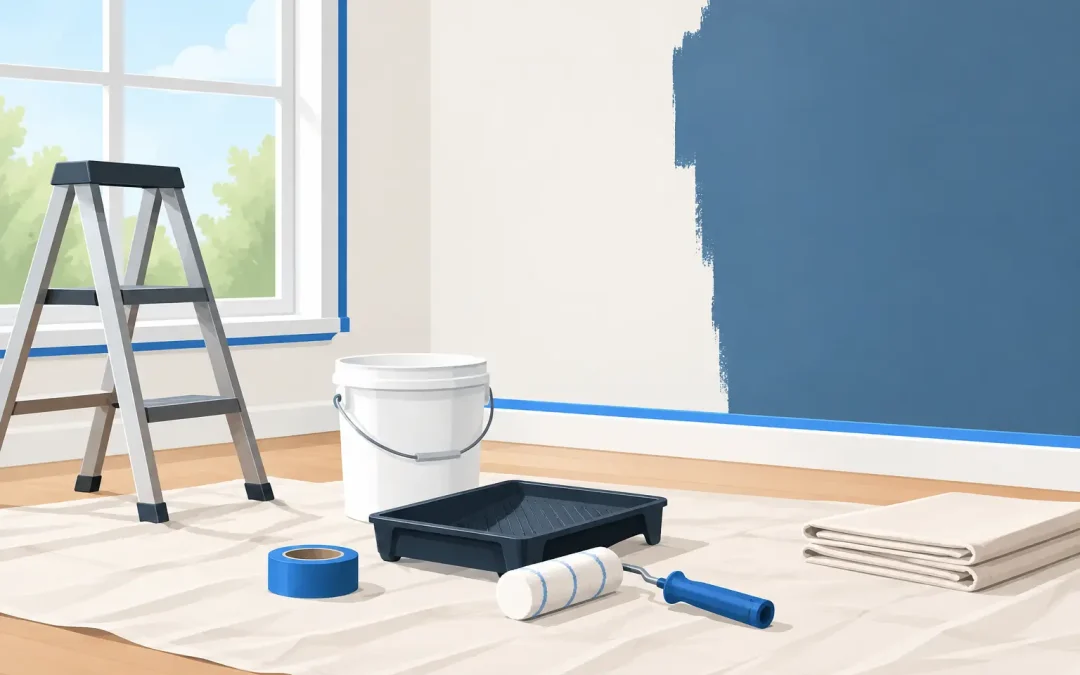
A fresh coat of paint can make a Pittsburgh home feel completely renewed, but paint only looks as good as the surface beneath it. This house painting preparation guide covers the work that protects your investment before a brush or sprayer ever touches the wall. From older plaster interiors to weathered wood siding and detailed Victorian trim, proper preparation is what separates a finish that lasts from one that peels, cracks, or looks uneven within a few seasons.
Why Preparation Matters More Than the Final Coat
Painting is often judged by color, but durability is decided much earlier. Paint needs a clean, dry, stable surface to bond correctly. If dirt, chalking paint, mildew, loose caulk, or moisture remain in place, even premium paint can fail prematurely.
Preparation also affects appearance. A wall with nail holes, rough patches, flashing repairs, or poorly sanded edges will still show those flaws after it is painted. The same is true outdoors, where peeling layers and open joints can make a new exterior paint job look unfinished from the start.
For many Western Pennsylvania homes, preparation takes extra care. Freeze-thaw cycles, heavy rain, shaded areas, and older building materials can all create conditions that need to be addressed before painting begins. Rushing this stage may save a day at the start of the project, but it can create much larger repairs later.
House Painting Preparation Guide: Start With an Honest Inspection
A careful inspection tells you what the project actually requires. Before choosing colors or calculating paint quantities, walk around the property or through each room with an eye for surface problems.
Exterior surfaces should be checked for peeling or blistering paint, bare wood, rotten trim, loose boards, cracked caulk, rusty fasteners, mildew, and damaged gutters or downspouts. Look closely at window sills, porch railings, fascia boards, and the lower portions of siding, where water damage is common. If paint failure is limited to one small area, a focused repair may be enough. If it is widespread, the surface may need more extensive scraping, sanding, or coating removal.
Inside, inspect ceilings, walls, baseboards, doors, and trim for cracks, dents, water stains, smoke residue, greasy buildup, and signs of previous repairs. Water stains deserve special attention. Painting over a stain without correcting the leak or moisture source can lead to the same problem returning through the new finish.
Older homes sometimes have more than cosmetic issues hiding behind paint. Loose plaster, failing glazing, deteriorated wood, and recurring moisture should be repaired before a painting schedule is set. A professional painter can help identify whether a surface is ready for paint or needs carpentry, patching, or sealing work first.
Clean the Surface So Paint Can Bond
Cleaning is not an optional extra. It removes the contaminants that interfere with adhesion and helps reveal damage that may have been difficult to see.
Exterior Cleaning
Exterior walls, decks, fences, porches, and trim collect dirt, pollen, mildew, and airborne pollution. Power washing is often the right approach for durable exterior surfaces, but it must be done with the proper pressure and technique. Too much pressure can force water behind siding, damage soft wood, or scar older surfaces.
Mildew needs to be treated, not simply painted over. It is especially common on north-facing walls, beneath tree cover, and near areas with poor drainage. Once cleaned, exterior surfaces need adequate drying time. The exact timing depends on the material, weather, and humidity, but painting damp siding is a common cause of peeling.
Interior Cleaning
Interior walls may look clean while holding years of household residue. Kitchens often have grease buildup, bathrooms can have soap residue or mildew, and entryways may have fingerprints and scuff marks. A light cleaning solution and clean cloth are usually sufficient for sound painted walls. Glossy trim, cabinets, and previously coated surfaces may need more thorough cleaning and light abrasion to help the new coating grip.
Repair Damage Before Covering It Up
Once the surface is clean and dry, repairs can be made properly. This is the stage where patience pays off. Filling a hole without sanding it smooth, or caulking a large exterior gap without addressing the underlying movement, creates a temporary fix rather than a lasting one.
Interior preparation commonly includes filling nail holes, repairing dents, smoothing joint compound, sealing stains, and re-caulking trim where gaps have opened. Hairline cracks may be simple cosmetic repairs, while wider or recurring cracks can point to movement that deserves closer evaluation.
On exterior projects, loose paint must be scraped back to a firm edge. Bare wood should be sanded, repaired where needed, and primed before the finish coats are applied. Damaged trim or siding should be replaced rather than painted over. Caulk is useful for narrow joints around trim and windows, but it is not a substitute for sound materials or proper flashing.
For homes built before 1978, lead-safe practices are essential when old paint is disturbed. Sanding and scraping can create hazardous dust. This work calls for careful containment, cleanup, and contractors trained to handle older coatings responsibly.
Sanding Creates a Smooth, Consistent Finish
Sanding does more than remove roughness. It feathers the edges between old paint and bare areas, smooths filled repairs, and dulls slick surfaces so primer or paint can bond more reliably.
The goal is not always to strip every painted surface down to bare wood or drywall. That depends on the condition of the existing coating. If old paint is solidly bonded, clean, and sound, it can often serve as a stable base after appropriate cleaning and sanding. If it is peeling across large areas or has multiple failing layers, more removal may be necessary.
Cabinets, doors, trim, and detailed woodwork deserve particular attention. These high-visibility surfaces show brush marks, dust nibs, and uneven patches quickly. Careful sanding between coats is often what gives refinished surfaces their smooth, furniture-like appearance.
Protect Floors, Landscaping, and Daily Life
A professional paint job should not create unnecessary disruption or leave cleanup for the property owner. Before painting begins, rooms and exterior work areas should be organized and protected.
Inside, furniture should be moved away from walls or covered, floors should be protected with clean drop cloths, and hardware or fixtures should be removed or carefully masked as needed. Doors, cabinets, and trim may require separate staging so they can be finished without affecting normal household traffic.
Outside, plants, walkways, decks, outdoor furniture, and windows need protection from dust, debris, and overspray. Covering landscaping requires care. Plants should be shielded during the work, but not sealed under plastic for extended periods, especially in warm weather.
A well-planned crew also considers access. Ladders, scaffolding, vehicles, pets, children, and business operations all affect how a project should be staged. For occupied homes and commercial properties, clear communication about work areas and daily cleanup makes the experience far more manageable.
Prime the Right Areas With the Right Product
Primer is not always required across every square foot, but it is often essential in repaired, bare, stained, or difficult areas. The correct primer helps create a uniform surface and supports better adhesion for the finish paint.
Bare wood, patched drywall, water stains, smoke stains, rusted metal, and areas where paint has been scraped down all typically need targeted priming. A stain-blocking primer may be needed for water, nicotine, tannin, or smoke damage. Exterior wood with tannins, such as cedar or redwood, may also need a primer designed to prevent discoloration from bleeding through the topcoat.
Color changes can affect the decision as well. A dark wall being painted a much lighter color may benefit from a tinted primer or an additional finish coat. Conversely, a surface in good condition that is being repainted in a similar color may only need spot priming. The right approach depends on the material, condition, paint system, and desired result.
Choose the Right Weather and Working Conditions
Exterior painting has a schedule, but weather gets the final say. Paint should not be applied to wet surfaces, during rain, or when temperatures and humidity fall outside the product’s recommended range. Early-morning dew, afternoon storms, direct sun, and cool overnight temperatures can all affect drying and adhesion.
Interior conditions matter, too. Good ventilation, reasonable temperature control, and adequate drying time between coats help produce a clean finish. Painting a humid bathroom or a cold, poorly ventilated room without allowing proper cure time can compromise the result.
This is one reason an experienced contractor plans preparation and painting as one coordinated process. The Pittsburgh Painting Company has served local homeowners since 1978 and understands that a clean, orderly job site and careful prep are part of delivering a professional paint job, not separate add-ons.
Know When Professional Preparation Is Worth It
Small rooms with sound walls may be manageable for a homeowner who has the time and patience to clean, patch, sand, and protect the space carefully. Larger homes, high exterior elevations, extensive peeling, stained ceilings, detailed trim, and older properties are different. They demand more equipment, more experience, and more attention to safety.
Professional preparation is especially valuable when the project involves historic architectural features, large areas of damaged siding, cabinet refinishing, decks, or surfaces with possible lead paint. The goal is not simply to get paint on the house quickly. It is to correct what can shorten the life of the finish and leave the property looking its best.
Before selecting a color, take a close look at the condition of the surfaces you want to paint. A thoughtful preparation plan gives every finish coat a better chance to look clean, wear well, and bring lasting pride to your home.
Recent Comments