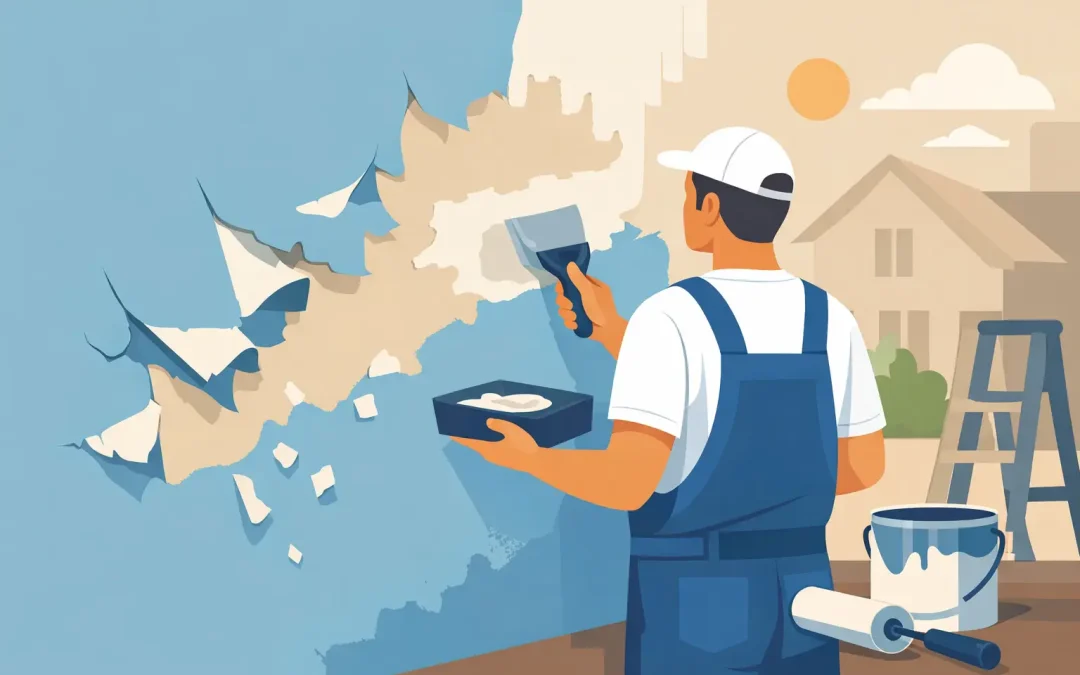
Peeling paint is more than a cosmetic problem. Once a coating loses its grip, moisture, dirt, and further damage can reach the surface underneath. If you have asked, “why does paint peel?” the answer is usually found in the preparation, the surface condition, or the environment when the paint was applied.
For Pittsburgh-area homes, peeling is especially common on exterior trim, porches, decks, older wood siding, and areas exposed to repeated wet-dry cycles. Interior paint can fail too, particularly in bathrooms, kitchens, basements, and rooms with past water issues. The good news is that peeling paint can be repaired properly when the root cause is addressed before a fresh coat goes on.
Why Does Paint Peel on Walls, Wood, and Trim?
Paint is designed to bond to a clean, dry, stable surface. When one of those conditions is missing, the paint may blister, crack, flake, or pull away in sheets. The pattern of the failure often gives a professional painter useful clues about what happened.
Poor surface preparation
The most common cause of peeling paint is inadequate preparation. Paint applied over dust, grease, chalky residue, loose old paint, mildew, wallpaper adhesive, or a glossy finish may look acceptable at first. Over time, however, the new coating separates because it never formed a dependable bond.
This is why a quality paint job involves more than opening a can. Loose material needs to be scraped away, edges need to be sanded smooth, and surfaces need to be cleaned thoroughly. Glossy surfaces may require sanding or the right bonding primer. Skipping those steps can save time on the front end, but it often leads to a repaint much sooner than expected.
Moisture behind or beneath the paint
Water is one of paint’s toughest enemies. On exterior wood, moisture can enter through failed caulk, open joints, damaged gutters, roof leaks, unsealed end grain, or gaps around windows and doors. As the wood expands and contracts, paint loses adhesion and begins to peel.
Inside the home, peeling near a ceiling, window, exterior wall, or baseboard can point to a leak or condensation problem. Bathrooms with weak ventilation and basements with persistent dampness are also frequent trouble spots. Painting over a water issue may improve the appearance briefly, but the problem will return until the source of moisture is corrected.
Painting in the wrong weather conditions
Western Pennsylvania weather can be hard on exterior coatings. Paint applied when the surface is damp, when rain arrives too soon, or when temperatures fall outside the product’s recommended range may not cure correctly. High humidity can slow drying, while direct hot sun can cause paint to dry too quickly on the surface before it has a chance to bond well.
A surface can feel dry and still hold moisture below the top layer, especially older wood siding or shaded trim. Professional painters pay attention to the forecast, temperature, humidity, dew point, and the condition of the material itself before starting exterior work.
Using the wrong product or coating system
Not every paint works on every surface. Exterior paint should not be replaced with an interior coating, and certain materials need a specific primer before topcoats are applied. Bare wood, stained wood, masonry, metal, previously oil-painted trim, and patched drywall each have different requirements.
Compatibility matters as well. Applying a coating that does not adhere properly to the existing finish can cause early failure. On older homes, it is particularly important to identify whether previous paint layers are oil- or water-based and to prepare accordingly. A primer is not an unnecessary extra coat. In many situations, it is what allows the finish paint to perform as intended.
Aging paint and neglected maintenance
Even a well-applied paint job has a service life. Sunlight, rain, snow, temperature swings, and normal wear gradually weaken exterior coatings. As paint ages, it may become brittle, chalky, or cracked. Once that protective layer breaks down, peeling can accelerate.
Regular inspections help property owners catch small failures before they turn into widespread scraping and repair. Look closely at window trim, fascia boards, porch railings, door frames, deck surfaces, and lower siding where splashback from rain and snow is common.
What the Type of Peeling Can Tell You
Paint failure does not always look the same. A few small chips around a door handle may simply be wear. Large sections coming off to bare wood or drywall usually indicate a more serious adhesion or moisture issue.
Blisters or bubbles often suggest trapped moisture, heat, or painting over a damp surface. Peeling that exposes several paint layers may mean the oldest layer has lost its bond to the substrate. If paint is coming off only in a bathroom or near a window, ventilation or water intrusion deserves attention before repainting.
For homes built before 1978, peeling paint also requires added care. Older paint may contain lead, and disturbing it without proper precautions can create a health risk. A professional assessment can help determine the safest way to prepare and restore the area.
How to Repair Peeling Paint the Right Way
A lasting repair starts with correcting the cause. If there is a roof leak, plumbing issue, failed caulk joint, gutter overflow, or ventilation concern, address it first. Otherwise, even careful repainting may not hold.
The damaged area then needs to be scraped until only firmly bonded paint remains. Sanding feathers the remaining edges so they do not show through the finish coat. Bare spots, repairs, and problem surfaces should receive the appropriate primer before painting. After priming, the finish coats should be applied at the recommended spread rate and under suitable conditions.
For a small, dry interior area, this may be a manageable repair. For widespread exterior peeling, high trim, old siding, water-damaged wood, or detailed Victorian architecture, the job becomes more involved. Rushing the preparation is where many repainting projects fail.
When Peeling Paint Calls for Professional Help
Professional help is worthwhile when peeling covers more than an isolated area, when the cause is unclear, or when you see signs of rot, staining, mildew, recurring bubbles, or damaged siding. It is also the safer choice for older homes where lead paint may be present.
A thorough contractor will look beyond the loose paint. They should evaluate the substrate, check for moisture pathways, determine the proper preparation method, and select coatings that fit the surface and exposure. That process is particularly valuable for large homes, historic details, decks, and exterior trim that must withstand Pittsburgh’s changing seasons.
The Pittsburgh Painting Company approaches surface preparation as part of the paint job, not an afterthought. Proper cleaning, scraping, sanding, priming, caulking, and cleanup make the difference between a quick cover-up and a finish built to last.
Preventing Paint From Peeling Again
Once repairs are complete, a little maintenance protects the investment. Keep gutters clear, direct downspouts away from the foundation, replace failing caulk, and watch for water stains inside. Use bathroom exhaust fans during showers, address basement humidity, and avoid pressure washing wood so aggressively that it drives water into the material.
Exterior surfaces benefit from an occasional close inspection, especially after winter. Catching a cracked caulk line or a small bare spot early is far easier than waiting until moisture has worked behind the paint film.
Peeling paint is the surface telling you something. Give the underlying issue the attention it deserves, and the next professional paint job can protect your property and look right for years to come.
Recent Comments