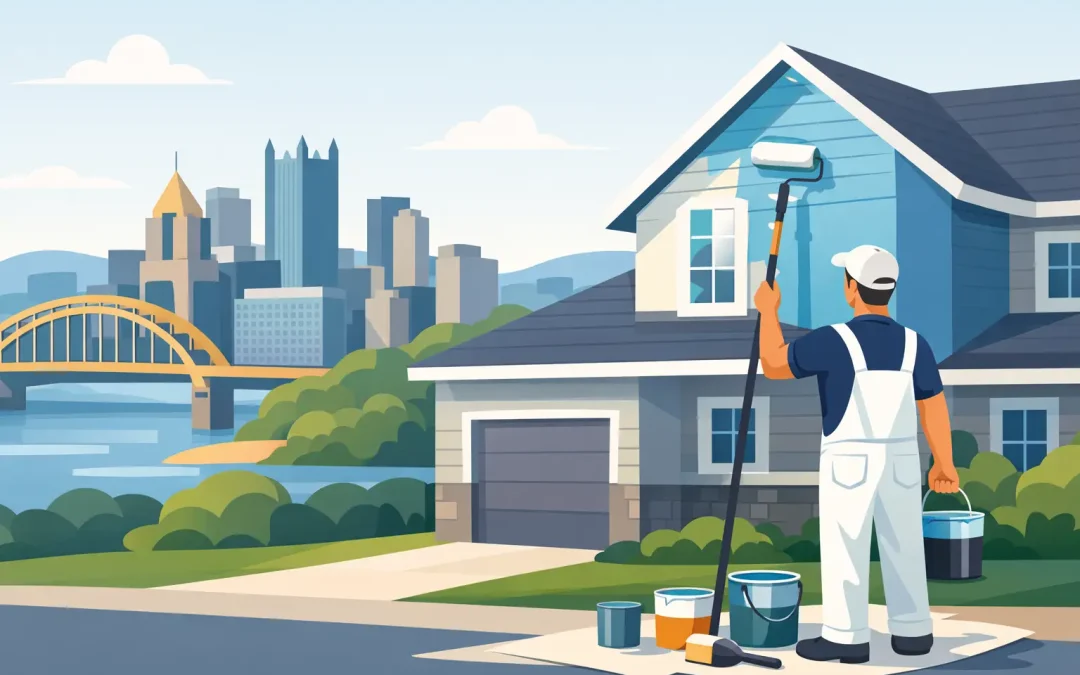
A Pittsburgh exterior has to stand up to more than a change of color. It faces humid summers, freeze-thaw cycles, rain, wind, and long stretches of shade that can hold moisture against siding and trim. The best exterior painting services address those conditions before a brush ever touches the house. A professional paint job should protect the building, improve curb appeal, and leave the property clean when the work is complete.
For homeowners, choosing a painter is not only about comparing a few color samples or selecting the lowest estimate. It is about finding a contractor who can identify surface problems, prepare every area correctly, communicate clearly, and deliver work that lasts. That matters especially for Pittsburgh’s older homes, detailed woodwork, and Victorian-era properties, where skipped preparation can become an expensive problem.
What the Best Exterior Painting Services Include
Good exterior painting begins with a close look at the property. A contractor should inspect siding, shutters, trim, doors, porches, railings, gutters, masonry accents, and other painted surfaces. Peeling paint, cracked caulk, bare wood, mildew, water staining, and soft or damaged boards all need attention before coating begins.
Preparation is where the quality of an exterior paint job is decided. Painting over dirt, chalky residue, or loose paint may make a home look refreshed for a short time, but the finish will not have a dependable surface to hold onto. Proper power washing, scraping, sanding, spot priming, caulking, and repairs create the foundation for a cleaner, longer-lasting result.
The right scope depends on the home. Newer vinyl or fiber cement siding may need washing, minor prep, and a compatible coating system. A century-old wood-sided home may require more extensive scraping, wood repair, careful priming, and detailed work around original trim. A reliable contractor explains that difference rather than treating every property as the same job.
Surface Preparation That Is Not Rushed
Exterior paint can only perform as well as the surface beneath it. Loose material should be removed, rough edges feather-sanded, and exposed wood sealed with the appropriate primer. Gaps around trim, windows, and joints should be caulked where needed to help keep out moisture.
Power washing is useful, but it must be done carefully. Too much pressure can force water behind siding, damage wood fibers, or disturb older surfaces. The goal is to remove dirt, mildew, and loose debris without creating new problems. After washing, surfaces need adequate drying time before paint is applied.
For homes with older coatings, lead-safe work practices may be necessary. Property owners should feel comfortable asking how a contractor will protect landscaping, walkways, windows, and surrounding areas during prep and cleanup.
Paint and Coatings Matched to the Surface
There is no single paint product that is right for every exterior. Wood, aluminum, vinyl, masonry, stucco, and previously painted surfaces each have different needs. The best results come from choosing a coating system that fits the material, the existing finish, and the exposure to sun and moisture.
Color choice also affects performance. Very dark colors can absorb more heat, which may be a concern on certain siding materials or heavily sunlit areas. A high-traffic porch floor needs a different product than decorative shutters. Clear coatings and stains may be better suited to decks, railings, and natural wood features than solid paint.
An experienced painter should help property owners make practical choices without overcomplicating the process. The right recommendation is one that looks good, works with the architecture, and holds up under Western Pennsylvania weather.
How to Compare Exterior Painting Contractors
An estimate should give you more than a final number. It should make clear what work is included and how the contractor plans to complete it. Ask whether washing, scraping, sanding, priming, caulking, minor repairs, paint materials, protection of landscaping, and cleanup are part of the proposal.
A low price can be attractive, but it may leave out the time-consuming work that makes the finish durable. If one estimate includes full preparation and another simply lists painting, they are not equal projects. It is reasonable to ask questions before signing anything. Clear answers are a sign of a contractor who takes ownership of the job.
Look for a team with experience on homes similar to yours. Large houses, historic exteriors, tall gables, detailed trim, and weathered porches require planning and steady workmanship. A contractor who regularly handles complex properties is more likely to recognize problems early and organize the work efficiently.
It also helps to ask about scheduling around weather. Exterior painting cannot be treated like an indoor project. Rain, excessive moisture, low temperatures, and surfaces that have not dried properly can affect adhesion and cure time. A professional crew watches the forecast and adjusts the work plan when conditions call for it.
Signs of a Professional Painting Experience
Property owners should expect clear communication from the first estimate through final cleanup. The crew should explain the work area, protect nearby surfaces, keep the site orderly, and let you know if repairs or unexpected conditions are found.
Professionalism shows in the small details. Straight lines around trim, proper coverage, smooth transitions between surfaces, secure masking, and a careful final walkthrough all contribute to the finished appearance. So does respect for your property. Paint chips, empty cans, and debris should not be left behind for the homeowner to manage.
At The Pittsburgh Painting Company, exterior projects are approached as complete jobs, from careful preparation through cleanup. That level of oversight is especially valuable when a property has detailed architecture, aging surfaces, or several exterior features that need coordinated attention.
Plan the Project Around Your Property’s Needs
The best time to schedule exterior painting often depends on the condition of the home and the scope of work. Spring through fall can provide workable painting weather in Pittsburgh, but a contractor needs enough dry days and proper temperatures to prepare and coat surfaces correctly. Waiting until visible damage becomes severe can limit options and increase repair costs.
Before work begins, move outdoor furniture, grills, planters, and decorations away from the house where possible. Let the painting team know about exterior outlets, gates, pets, landscaping concerns, or areas that need continued access. A little planning helps the work move safely and keeps disruption to a minimum.
Consider related services at the same time. Deck cleaning and sealing, power washing, staining, garage floor coatings, and repairs to exterior trim may fit naturally into a larger property refresh. Combining compatible work can create a more consistent appearance and reduce the need to coordinate multiple contractors.
A Better Result Starts Before Paint Is Applied
Fresh paint should make a property look cared for, not simply covered up. When the surfaces are cleaned, repaired, sealed, primed, and coated with the right materials, the result has the depth and durability homeowners expect from a professional investment.
If your siding, trim, porch, deck, or exterior details are showing wear, request a clear, detailed estimate before another Pittsburgh season adds to the damage. The right painting team will make the process straightforward, keep the work area clean, and give your property the lasting finish it deserves.
Recent Comments